Grocery Prices in Brazil vs the US: What Surprised Me Most
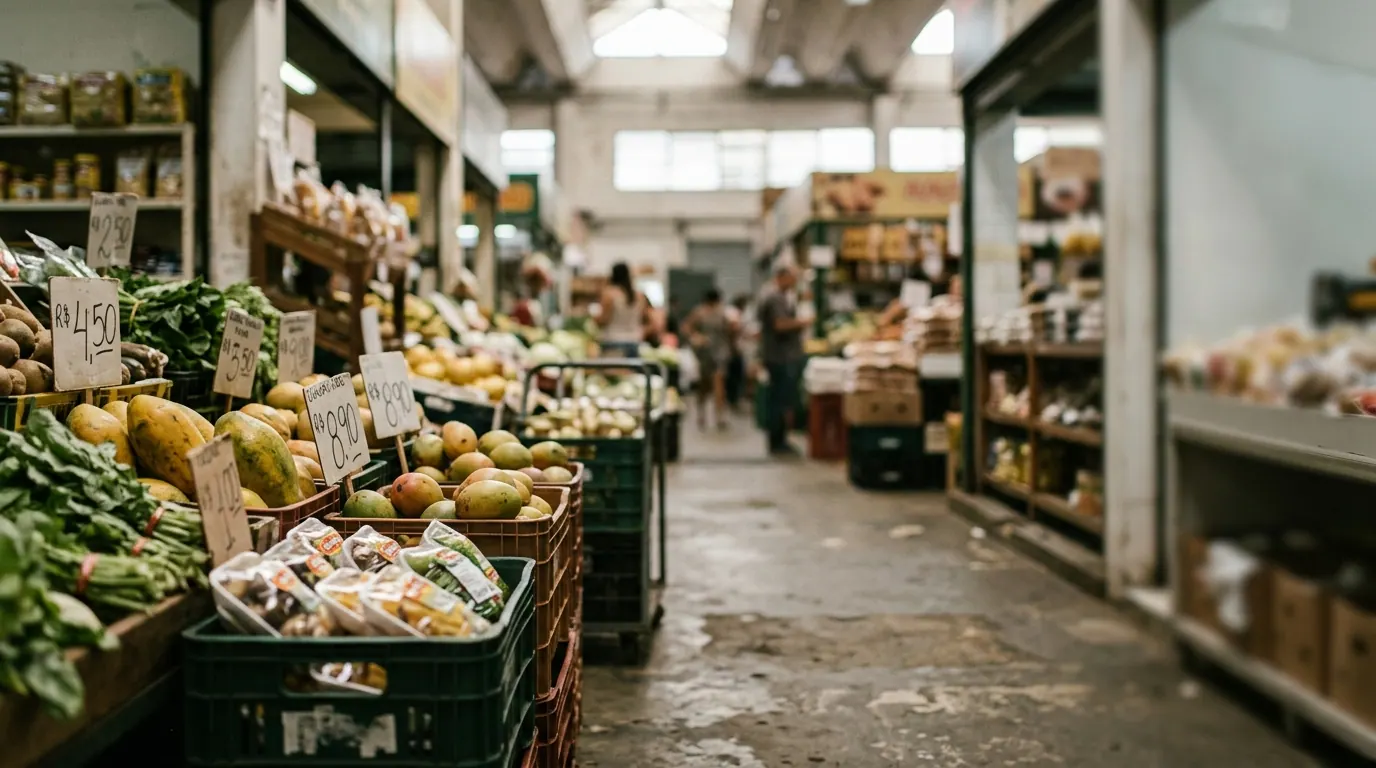
Generated (Gemini), via Wikimedia Commons
Run this comparison before you book anything, not after you land. Grocery prices in Brazil are lower than the US for the stuff that fills most of a cart, but the gap closes fast on packaged goods, and it reverses completely on a few categories that catch first-time visitors off guard. If you are budgeting a trip or thinking about a longer stay, knowing which items swing which way matters more than a single average number.
The checklist
- Fresh produce Fruit and vegetables in Brazil run well below US prices, often 30 to 60 percent less depending on the item and the season. Papaya, mango, and bananas are especially cheap because they are grown locally, not shipped in.
- Rice, beans, and staple grains These are the backbone of Brazilian cooking and priced accordingly. Expect to pay a fraction of US prices for a kilo of rice or black beans, sometimes less than half.
- Beef and poultry Meat is generally cheaper in Brazil, but cuts are different from what you are used to, and the good stuff at a churrascaria price point is not the same as supermarket ground beef. Budget for confusion at the meat counter, not just cost.
- Dairy and cheese This is where things get uneven. Basic milk and local cheese are affordable. Imported or aged cheese, and anything resembling a US-style cheddar block, can cost noticeably more than at home.
- Packaged and imported goods Cereal, snack bars, specialty condiments, and anything with an import tax attached can run higher than US prices, sometimes double. This is the category that quietly wrecks a grocery budget people assumed would be cheap across the board.
- Alcohol Local beer and cachaça are cheap. Imported wine and spirits carry heavy taxes and can cost noticeably more than the same bottle back home.
The two that people skip
The first is packaged and imported food. People walk into a Brazilian supermarket expecting everything to be cheaper because produce and staples are, and they get blindsided at the cereal aisle or the imported cheese case. If your diet leans on packaged breakfast food, protein bars, or specific brands you buy at home, price those items specifically before you assume your grocery bill will be lower overall. For some travelers, especially anyone doing a longer stay and trying to eat familiar food, the packaged goods gap can eat most of the savings from cheap produce.
The second is currency and card fees, which is not a grocery price at all but changes what you actually pay. Using a foreign card without checking for foreign transaction fees, or letting a terminal do the currency conversion for you instead of choosing local currency, can add 3 to 8 percent on top of every purchase without you noticing. On a big trip, that adds up to real money, and it is the kind of cost that never shows up when people compare sticker prices between countries. Check your card's fee structure before you leave, and always choose to be charged in the local currency, not your home currency, when a terminal asks.
What this means for planning
If you are traveling and plan to cook some of your own meals, groceries in Brazil will likely stretch further than in the US, especially if you lean on local staples, produce, and beef rather than imported brands. If you are the kind of traveler who wants familiar packaged food from home, budget more than you'd expect, because that category does not follow the general trend. A rough honest range: day-to-day grocery costs for someone cooking mostly local staples can run 30 to 50 percent lower than a comparable US grocery bill, while a cart heavy on imported or specialty goods can land close to US prices or above.
None of this is a reason to avoid cooking during a trip. It is a reason to shop the way locals shop, buy what is actually in season and local, and treat imported comfort food as an occasional splurge rather than a grocery staple. I write about this kind of practical, on-the-ground detail at Window Seat World because it is the stuff that actually changes a trip budget, not the stuff that makes a tidy top-ten list.
New trip reports as they land
First-person routes, costs and photos from trips actually taken. Join the list.
Join the list