A Week in Minas Gerais Without a Car: What I Learned
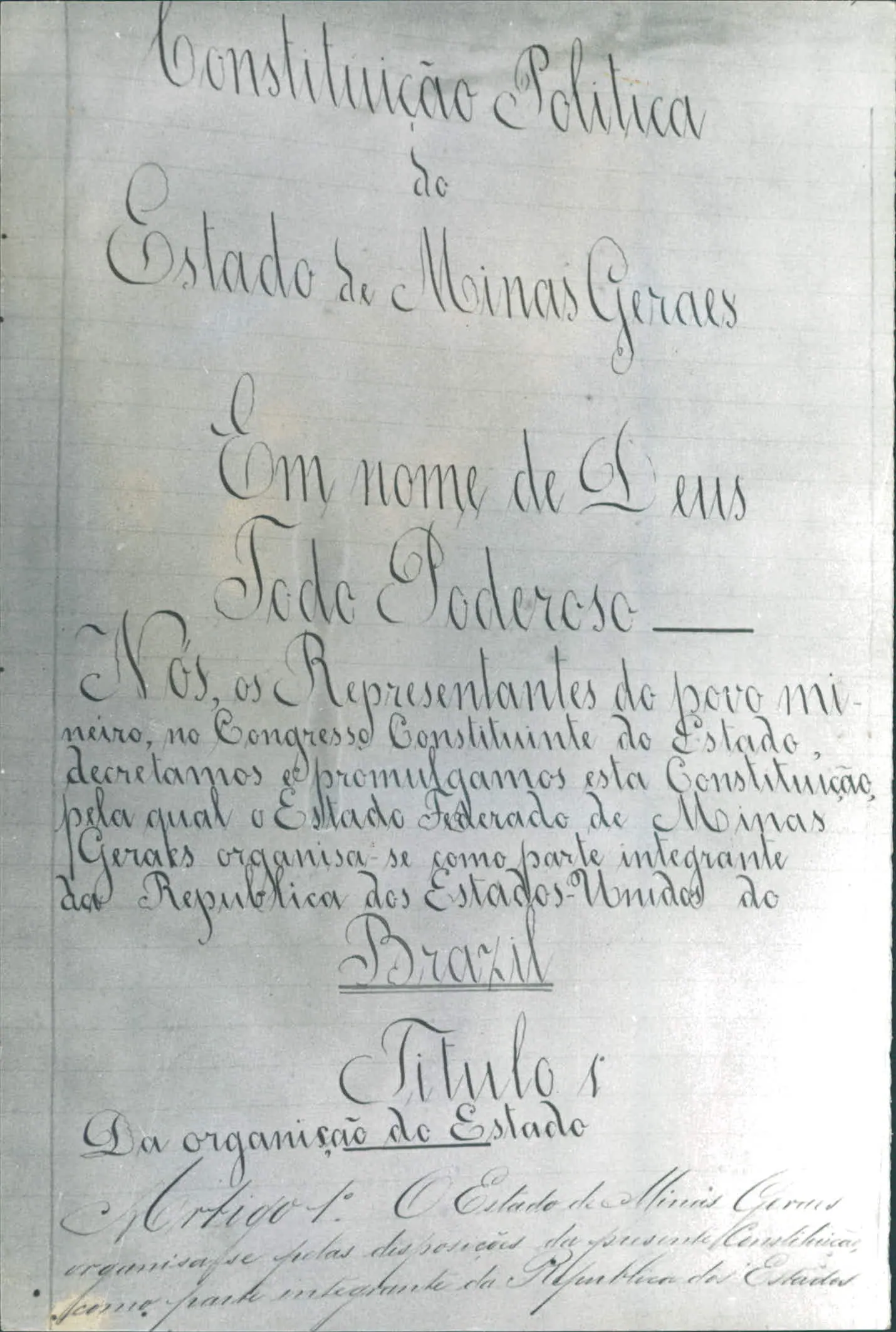
Public domain, via Wikimedia Commons
Yes, you can do a week in Minas Gerais without a car. I did it, moving between Belo Horizonte, Ouro Preto, Mariana, and Tiradentes on intercity buses, and I never once wished I had a rental key in my pocket. But the trip only worked because I built it around bus schedules instead of around what I wanted to see on any given day. That order matters more than people expect.
The short answer
Plan on five to six usable travel days for a car-free loop through the colonial towns, with one or two of those days eaten up by travel rather than sightseeing. The reason is simple: Minas Gerais towns are close on a map and far apart on a timetable. Ouro Preto to Tiradentes looks like an hour's drive, but there is no direct bus, so you go back through Belo Horizonte or São João del Rei, and that single connection can cost you three or four hours. A week gives you enough slack to absorb that without feeling rushed every single day.
What changes the timing
A few things push that five to six day estimate earlier or later.
- Which towns you pick. Ouro Preto, Mariana, and Belo Horizonte are well connected to each other, several buses a day. Diamantina and São João del Rei are doable but thinner, sometimes two or three departures daily. Add Diamantina and you should add a day just for the travel itself.
- Season. December through March is the rainy season in the hills. Roads are fine for buses, but landslide closures and delays happen more often in this window, and I'd build in a buffer day if traveling then. June through September is drier and the buses run closer to on time.
- Whether you're solo or with others. A group of three or four can split a private driver or van for the awkward legs (Ouro Preto to Tiradentes being the classic one) for not much more than bus fare per person. Solo travelers are more at the mercy of the public timetable.
- How much you care about arriving in daylight. Some of these towns have cobblestone streets and no signage once the sun goes down. If you want to actually find your pousada without circling, you need to plan arrivals before early evening, which narrows your bus options to the earlier departures.
Signs you are overdue
These are the moments that told me my no-car plan needed adjusting mid-trip, and they're worth watching for before you lock in a full itinerary.
- You're checking a bus company's site and it shows two departures a day for a route you assumed would run every hour.
- Your "day trip" math only works if every connection is on time, with no cushion built in.
- You find yourself planning to arrive somewhere after dark because the earlier bus doesn't exist on the day you need it.
- You've booked three towns in a week and haven't checked whether any pair of them actually has a direct bus between them.
- The bus station you're connecting through doesn't have printed or posted schedules, just a ticket window that opens an hour before departure.
Any one of these on its own is manageable. Two or three together usually means the plan needs fewer towns, not better optimism.
What happens if you wait too long
The honest cost of under-planning this kind of trip isn't catastrophic, but it's annoying in a way that eats real vacation time. If you don't check connections ahead of time, the most common outcome is losing half a day sitting in a bus station in Belo Horizonte waiting for the next departure to a town you could see from the bus window. The next most common outcome is paying for a private transfer at a premium because it's the only way to make a same-day connection, something that can run several times what the bus would have cost, though exact rates depend on the route and the driver.
The rarer but more disruptive version is booking a night in a town and then discovering the last bus out the next day leaves before your activity of choice even opens, which forces either an extra night you didn't plan for or skipping the thing you came for. None of this ruins a trip. It just means the version of Minas Gerais you get without a car is a slower, more deliberate one. You see fewer towns, but you see them properly, and you're not driving hairpin mountain roads in a country where you don't know the local habits behind the wheel.
I came away thinking the car-free version is actually the better trip for most independent travelers, not a compromise. You end up reading more, talking to more people at bus stations, and building your days around two or three towns instead of trying to collect six. That's the kind of thing I come back to Window Seat World to write about: not the itinerary that looks impressive on paper, but the one that actually worked once I was standing in it.
New trip reports as they land
First-person routes, costs and photos from trips actually taken. Join the list.
Join the list